
 |  |  |
|---|---|---|
 |  |  |
 |  |  |
 |  |  |
 |  |
Teacher Training Program at
Aadhigam Bhoomi School (2024-2025)
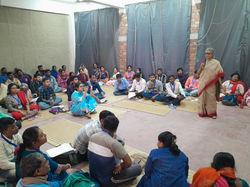
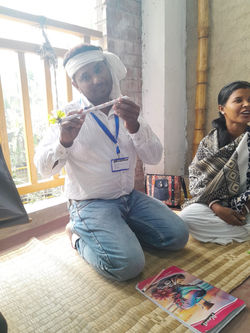
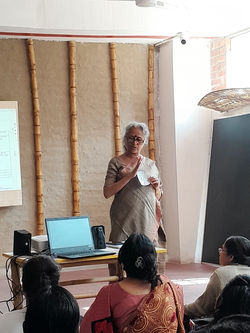
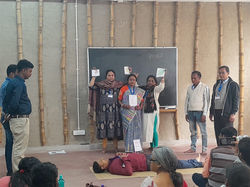
Educhange Foundation’s Evaluation Core Team, in partnership with HUHT (Help Us Help Them), is spearheading a comprehensive teacher training initiative at Aadhigam Bhoomi School, a free residential learning center near Joka, since 2024. This program focuses on enhancing the skills of 400 rural primary school teachers from underprivileged backgrounds, selected from 80 rural schools in West Bengal. Spanning a year, with renewable training, this initiative is designed to provide ongoing support and professional growth, enabling educators to effectively deliver skill-based, experiential curricula in their classrooms.
Training Structure
The training program is implemented in two key phases:
-
On-Site Training: Practical, hands-on sessions based on NEP 2020’s skill training framework at Aadhigam Bhoomi School. Teachers will directly engage with students, gaining experiential learning through immersive experiences.
-
Online (Virtual) Training: Ongoing professional development through interactive online workshops, ensuring accessibility for teachers across various regions.
Focus on Vocational and Livelihood-Based Learning
Aadhigam Bhoomi School is committed to providing 1,000 rural girls with vocational training alongside their regular academic studies from classes 1 to 10. This initiative focuses on equipping students with practical skills that empower them to return to their communities as self-sufficient individuals, thus supporting rural entrepreneurship, preserving indigenous craftsmanship, and curbing forced migration to urban areas.
Key Thematic Areas Covered
The teacher training program integrates local knowledge and focuses on developing vocational and livelihood skills. The core themes include:
-
Agriculture: Sustainable farming techniques and ecological practices
-
Pottery: Traditional clay art and functional pottery skills
-
Textile & Madur Making: Weaving, fabric dyeing, and indigenous crafts
-
Visual Arts & Music: Creative expression through local art and folk traditions
-
Hygiene & Food: Nutrition education and sustainable food practices
-
Brotochari & Martial Arts (Kalaripayattu): Physical well-being and cultural heritage through movement and discipline
Expert Training Team
This initiative is led by a team of four esteemed experts in the fields of art, academia, and experiential training, ensuring high-impact learning outcomes.
By equipping teachers with the skills and knowledge they need, the program aims to transform classrooms into dynamic learning spaces where traditional knowledge blends seamlessly with modern educational methods, empowering rural youth to drive sustainable community development.